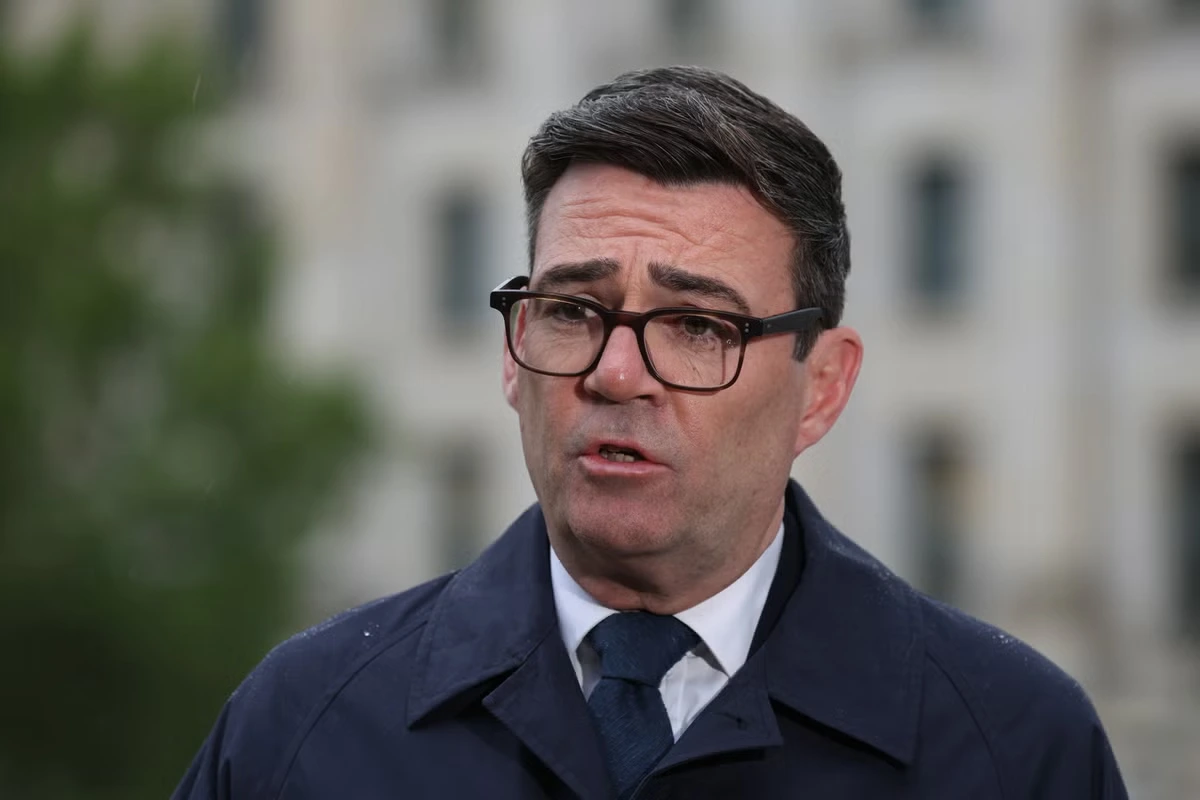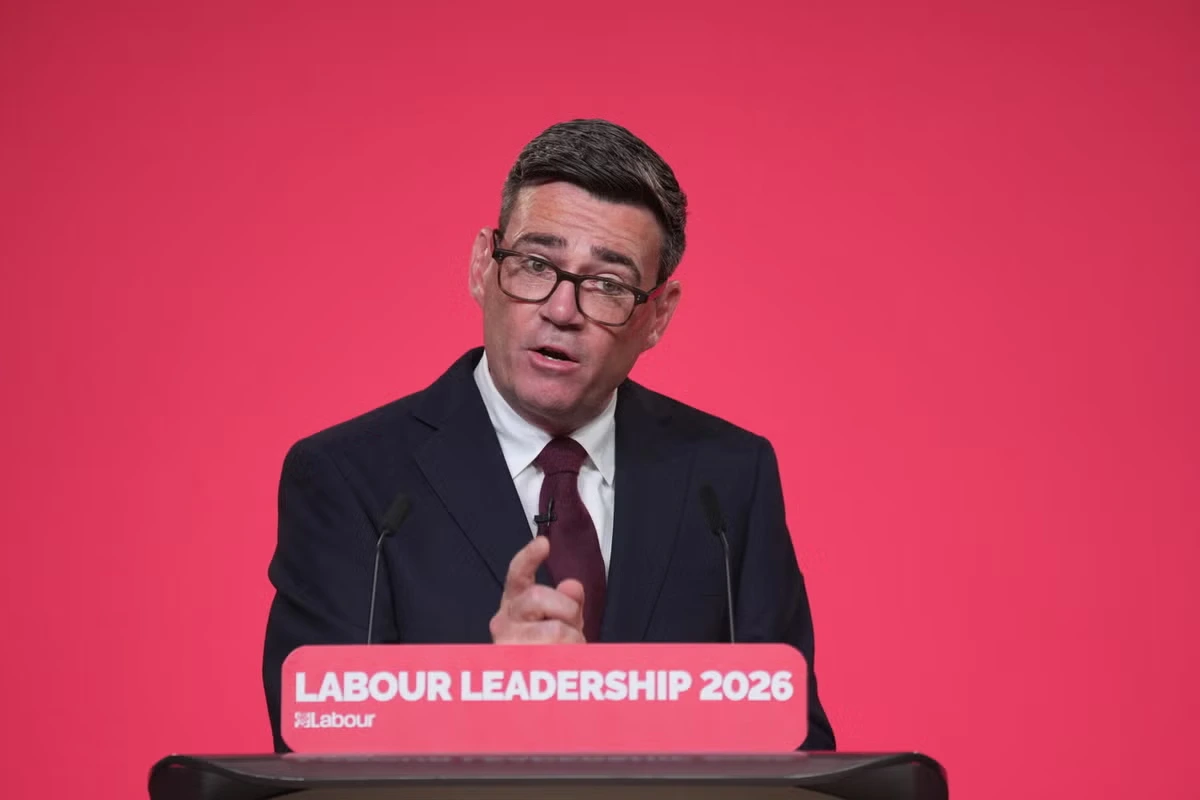
The US ambassador to the UK has warned the UK’s new prime minister Andy Burnham that he must boost Britain’s defence spending.
Ambassador Warren Stephens has insisted Mr Burnham’s government must make “sustained investment” and go beyond “rhetoric” on defence spending.
Warning that defence efforts should not be held up by “backloaded investment or other spending priorities”, he wrote in The Times: “At the end of the day, the high cost of defence spending is worth it, especially when it ensures your citizens will remain safe, prosperous and secure.”
He added: “The United States is proud to stand alongside Britain and Australia, two of our closest partners, but we must not allow our efforts to be held up by backloaded investment or other spending priorities,
“Now more than ever, we must move beyond the rhetoric of partnership and make the sustained investments that transform alliances from agreements on paper into the living architecture of a free and secure world. At the end of the day, the high cost of defence spending is worth it, especially when it ensures your citizens will remain safe, prosperous and secure.”
Mr Burnham has set out several priorities on defence, the first being to ensure stability by retaining the UK’s commitment to Nato and to the country’s nuclear deterrent.
He also pledged that his government would rebuild Britain’s “hard power” by upgrading current military equipment through the defence investment plan.
One of Burnham’s most pressing jobs will be to find a way to fill a £4.7bn black hole in Britain’s defence investment plan (DIP).
Sir Keir Starmer’s £15bn plan only identifies £10.3bn of funding, while the remaining £4.7bn will be “confirmed at Budget 2026, in a fair and balanced way”.
Burnham will likely meet Donald Trump for the first time in late September, when he will fly out on his first international gathering at the United Nations General Assembly (UNGA). The trip will be a major marker for his premiership and his relationship with the US president.
Mr Trump has repeatedly lashed out of Nato, claiming Washington was bankrolling other countries “without getting any benefit”.
Tensions had also been inflamed over what Mr Trump viewed as a lack of support by countries for his war against Iran.
On progress being made by countries to reaching the 5 per cent target, Mr Trump said at a Nato summit earlier this month: “Some have truly answered the call, and others are making big changes, and will be answering the call. I think I can say, in all cases, they’re going to be answering the call.”
He added: “I urge all nations to accelerate their plans to get the benchmark as quickly as possible.”