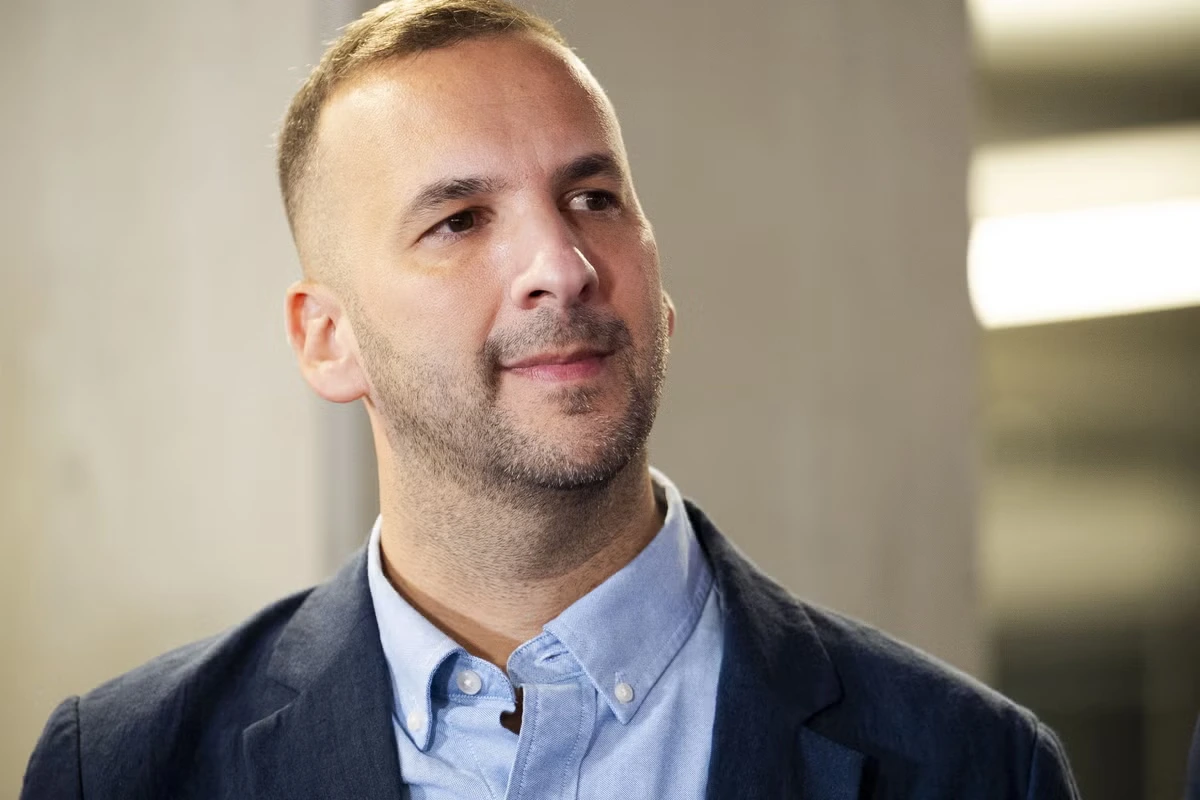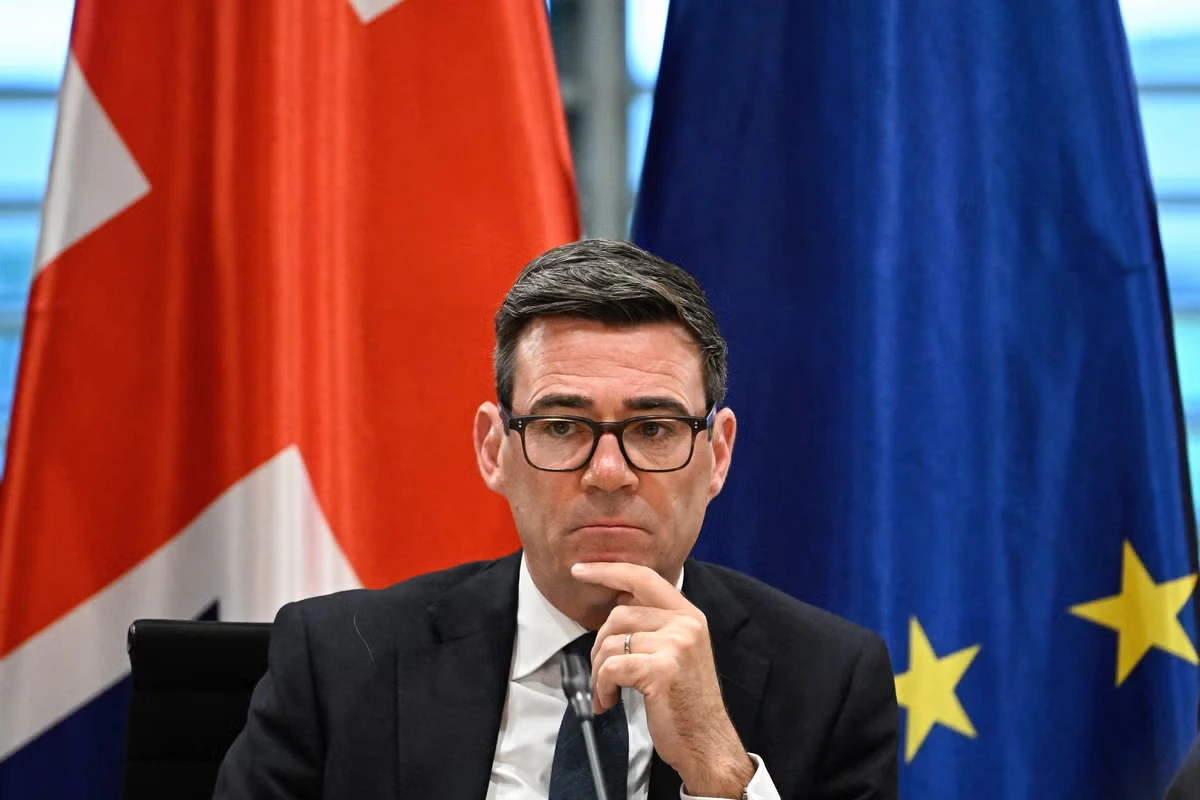
Andy Burnham has promised the public they “will be the boss” as he forges closer UK-EU links and possibly rejoins the bloc. But he has left open the question of precisely how voters would give him their orders – whether in another referendum, or by winning a mandate at a general election.
As my colleague Sean O’Grady noted, there is a precedent for avoiding another plebiscite because Edward Heath, the Conservative prime minister, took the UK into the then Common Market in 1973 without one.
What are Burnham’s instincts? His father Roy, who died last month, advised him: “Never commit to a referendum on anything.” (“I look back and think how wise he was,” the PM told The Observer).
We shouldn’t underestimate the importance of his family’s influence on Burnham. “Whenever I have had a big decision to make in my life and career, it has often come back to the collective wisdom of the core group of Eileen [his mother], Roy, Nick and John [his brothers],” he wrote in his 2024 book, Head North.
As I reported in June, Burnham thinks his plan to reform the electoral system can be implemented without a referendum if progressive parties agree on a blueprint and put it in their respective election manifestos. At last month’s Labour conference, he confirmed he will set up a commission on the issue.
Both the EU and proportional representation are divisive issues – not just in the country, but within the Labour Party. Burnham will face internal opposition on both. Some cabinet ministers were given a nasty shock by his declaration that the options on the EU include going “all the way”; they worry that rejoining would be a hard sell in the red wall seats that backed Leave in 2016 (and might make it harder to retain their own seats at the next election).
Some Labour figures suspect Burnham is not intent on rejoining, but is merely performing a clever piece of political positioning ahead of the election to hoover up voters otherwise tempted by the Liberal Democrats, Greens and Scottish and Welsh nationalists. The bad news for these sceptics is Burnham allies tell me he intends to take the UK back into the EU: “He is deadly serious about this,” one adviser said.
I welcome Burnham’s goal, but fear that a push to rejoin without the guarantee of a referendum would backfire and put wind in the sails of the “stay out” campaign. Even though it's now clear Brexit was an act of economic self-harm, some unrepentant 2016 Leave campaigners are already issuing dark warnings about riots in the streets if there is no fresh vote. Irresponsible, but there would be genuine anger among more reasonable people at an attempt to overturn the country’s 2016 verdict without another referendum. Attempting to re-enter by the back door would give more credence to the No campaign’s inevitable scare stories than they deserved.
Another reason for a referendum is that the UK would not be returning to the same EU we left. It’s not just that we would not regain Margaret Thatcher’s rebate on our financial contributions, and would have to accept free movement and eventually join the euro.
As someone who attended EU leaders’ summits from 1987 to 2016, I’ve noticed how much it has changed since the UK departed. The 27-strong bloc has embarked on fiscal integration through common borrowing, which the UK would have opposed and might well have vetoed if it had remained a member. This huge extra borrowing will inevitably lead to demands for EU-wide taxation. Another hard sell.
The bloc has a stronger industrial policy today. It is more hostile to AI than the UK is in this critical area. The EU is more assertive against China and the US than the UK; while the latter might be no bad thing in the Donald Trump era, he will thankfully no longer be there in just over two years.
The changes since Brexit are not all bad: the EU’s closer integration on defence is welcome, and the UK could play a leading role here.
Although EU leaders have warmly welcomed Burnham’s positive vibes, he might find a more chilly response after a general election. It is far from impossible that both France and Germany, the EU’s engine, will be driven by far-right leaders by 2029.
Burnham is right to aim high. Allies tell me he wants “to go as fast as he can, as quickly as he can”. But rejoining will require leading the public along a long road. As the influential IPPR think tank recommends today, the PM should name EU membership as his medium-term goal when he sets out the options next month.
The IPPR proposes tests to track progress, including whether a durable rejoin majority is emerging and whether the EU is treating the UK as “a genuine insider, rather than an occasional exception”. It says that once such tests are met, the government “should seek a democratic mandate to join, either through a referendum or a clear manifesto commitment – ideally agreed across a swathe of the political spectrum” – but adds that the move would “probably” require a referendum.
Indeed it will. Instead of seeking a mandate at an election, Burnham should make the argument for rejoining at a referendum. True, he would need every ounce of his undoubted communication skills – but I believe he would win it.