Councils have warned that the planned "mansion tax" could cause confusion, undermine accountability and impact local services.
The charge on properties valued above £2 million, announced by Rachel Reeves in the autumn budget, would be "complex" and create an "inefficient parallel system" to council tax, the Local Government Association (LGA) said.
A consultation on the proposed high-value council tax surcharge ended earlier this month, with the government now assessing responses.
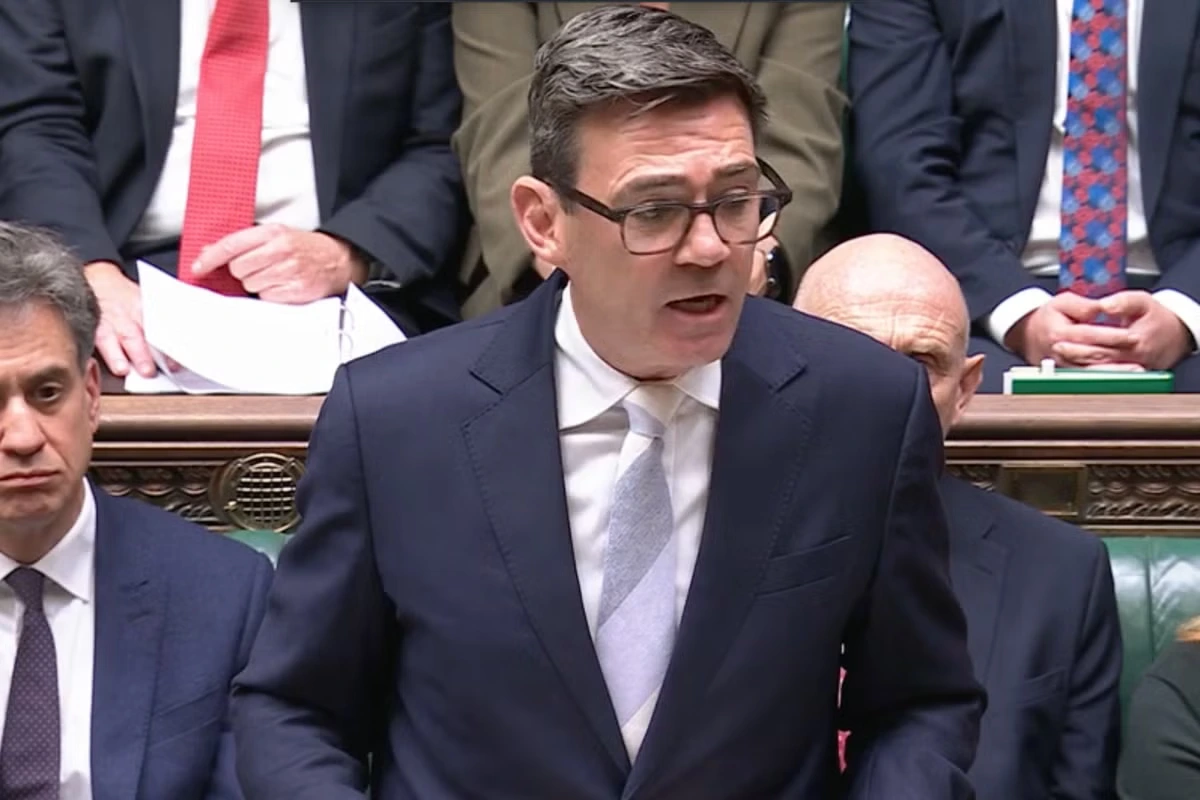
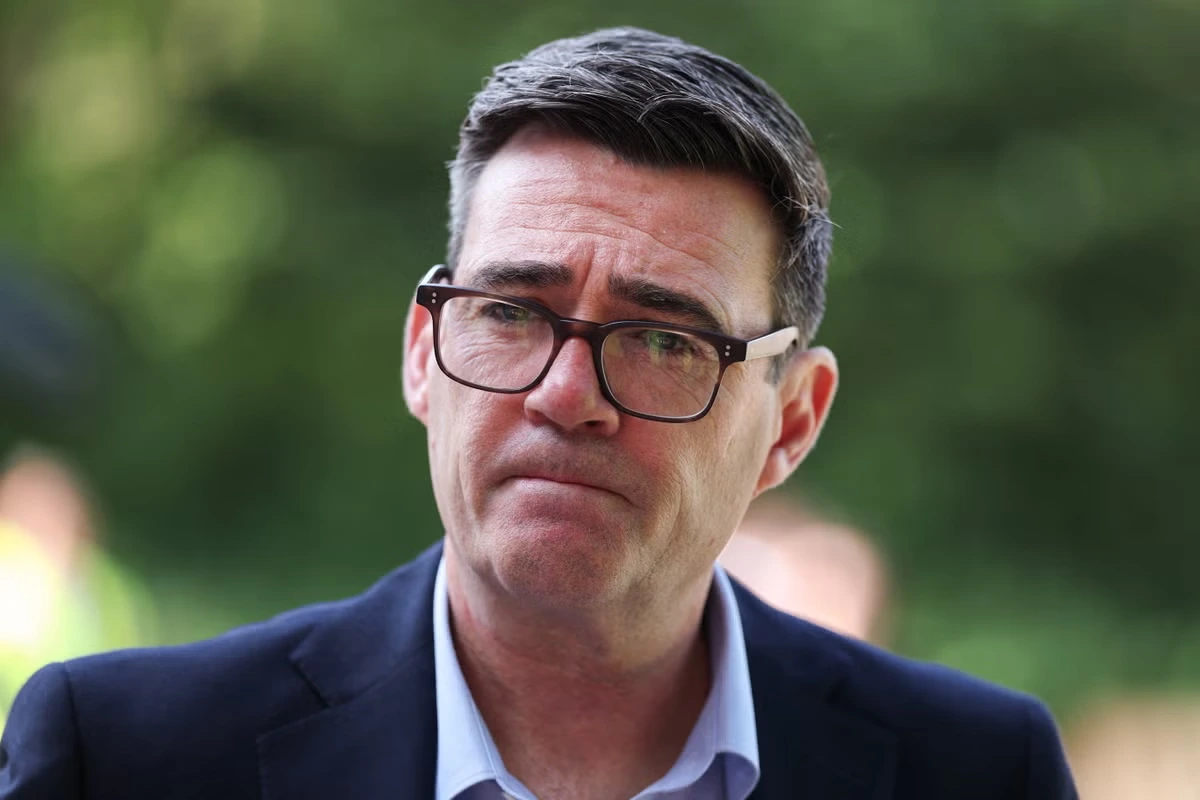
Andy Burnham previously described the concept as symbolising "the politics of envy" during his unsuccessful Labour leadership bid in 2015.
But the Prime Minister has recently backed changes to property taxes, citing “regressive” council tax and a new land value tax as elements of potential focus.
Under the current plans, councils would be responsible for billing, collecting and enforcing the surcharge – but would not set the tax rate, eligibility rules or exemptions.
Furthermore, councils would not retain the surcharge revenue they collect under current plans, with the income set to return to the Government.
In its response to the consultation, the LGA said the plan would create “a complex, costly and inefficient parallel system” to the existing council tax system with “significant” staffing, legal and technology costs, and risks leaving councils “out of pocket” if the Government does not fully fund new burdens.
The Government has said the income raised would support local government services, but little detail has been provided on how this would work in practice, the LGA said amid uncertainty about whether funding would be additional rather than offset by reductions elsewhere.
Further details on how the surcharge will support services are expected to be set out at the next spending review.
The LGA also warned a national tax labelled “council tax” could confuse residents who may hold local councillors accountable for a tax “that has nothing to do with them”.
The system could also be disproportionately burdensome for areas with only a handful of high‑value properties, it added.
The LGA has called for the Government to consider national administration of the surcharge instead of using councils.
If an alternative to using councils cannot be found, the Government must be transparent in bills issued and any other related material that the surcharge is a national charge, the LGA said.
The organisation added upfront investment must be provided to enable councils to prepare for the surcharge, and the Government must guarantee the costs of administrative, legal and enforcement activity can be recovered.
Kam Rai, chair of the LGA’s resources committee, said: “The surcharge is a national tax, yet councils would be left to administer it, carry the risk, and deal with the confusion it will create for residents.
“Without full funding for implementation costs and clear accountability, this proposal risks adding cost and complexity at a time when councils are already under enormous pressure.
“We need a cast-iron guarantee from government that any money raised must be genuinely additional and must not be used to offset reductions elsewhere.
“Councils should not be expected to run a new national tax system that could leave them out of pocket and undermine local democratic accountability.”
A Government spokesperson said: “This tax is expected to raise around £430 million per year to help fund public services and is addressing a longstanding unfairness in our country, where a Band D home in Darlington or Blackpool pays more in council tax than a £10 million mansion in Mayfair.”