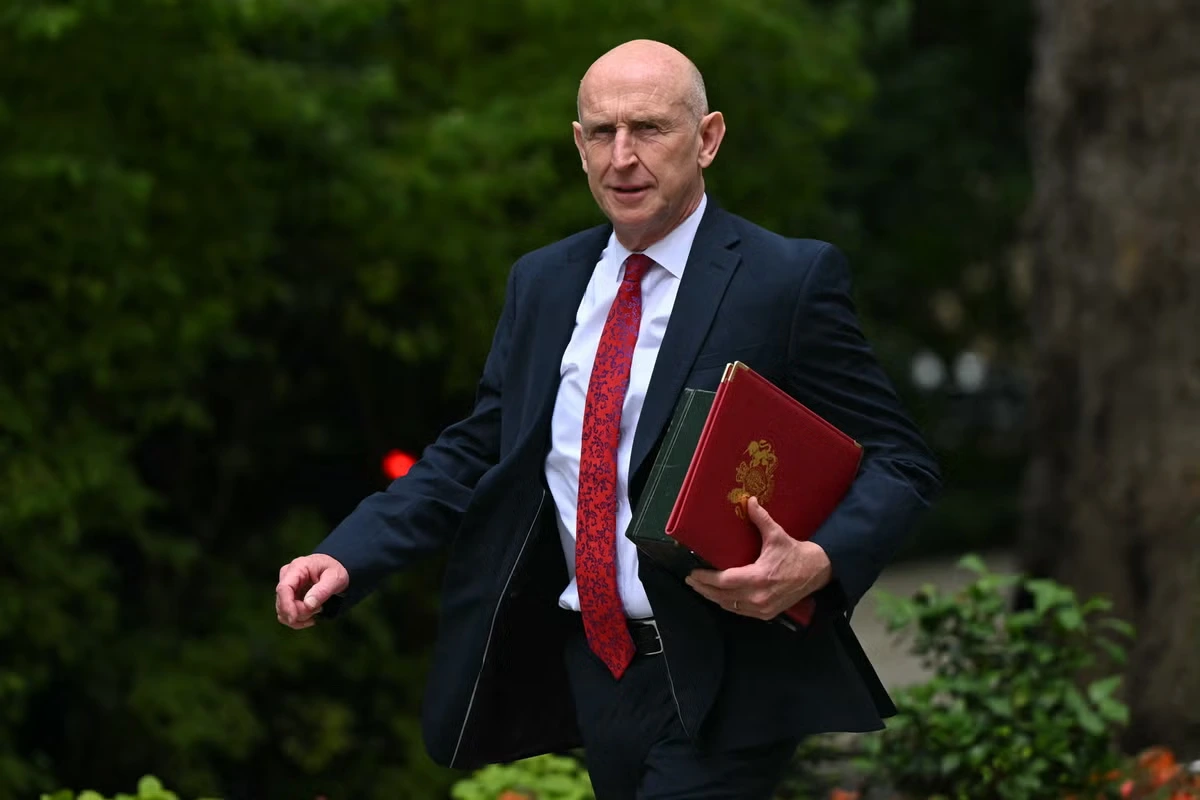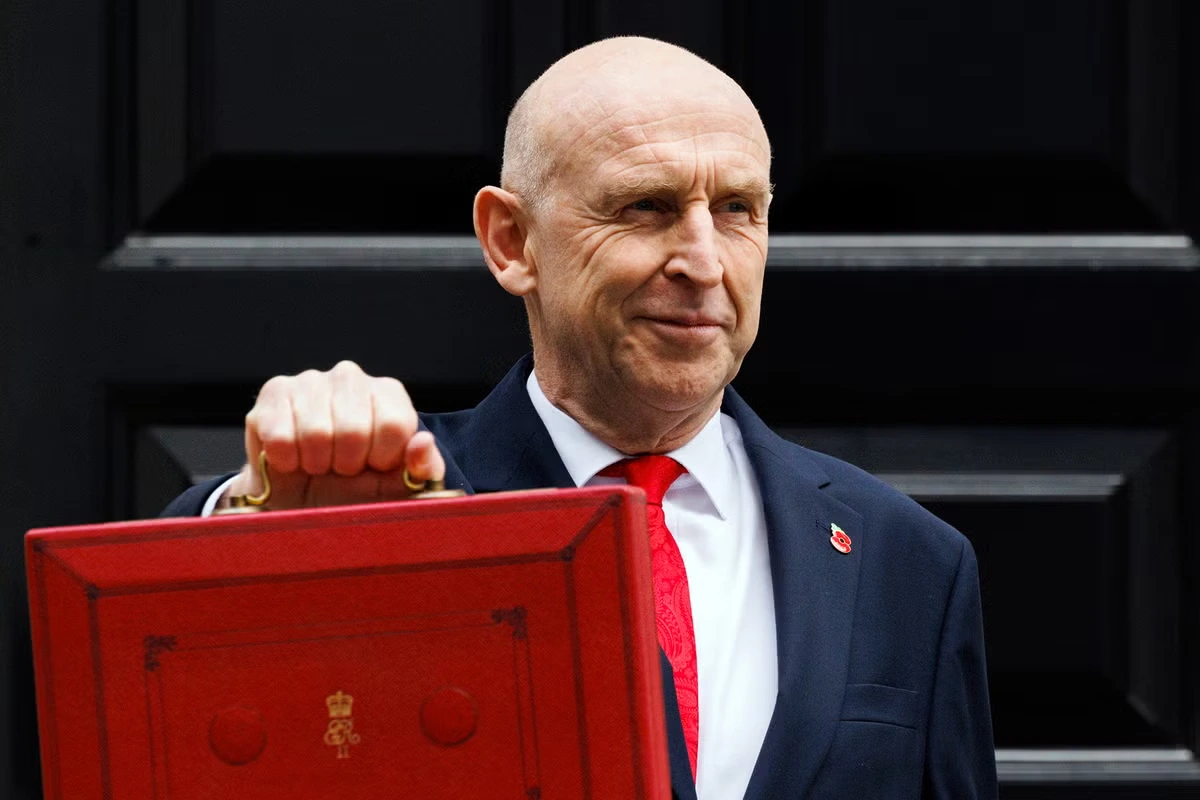
John Healey has delivered his first Budget as chancellor with a raft of measures announced to help tackle the soaring cost of living.
The former defence secretary was under pressure to find billions of savings to help ramp up Britain’s military spending but while he committed to “fully fund” Britain’s defence investment plan (Dip), he pushed setting out details on how he would do that to next year’s spending review.
Instead, he set out a string of pledges he said would provide “breathing space” for the public amid a difficult domestic economic situation made worse by the turmoil of the Iran war.
Here is a round up of what has been announced, including key tax policies and bills help.
One major element of the Budget was focused on greater help for UK households struggling with the rising cost of energy.
Mr Burnham has already cut VAT on electricity bills, but there has been an acceptance in government that more has to be done, especially considering the looming rise of the energy price cap in January.
The chancellor said he is taking “immediate action” to give families and business “breathing space in the here and now”, and said next year, he will work with the energy secretary to “make bills fairer”.
Mr Healey announced that the cut to VAT on electricity will be extended to July, taking £50 off the annual price cap.
And he also announced a £100 household energy payment to people in council tax bands A to D to help them deal with soaring bills “through to the spring”.
He also confirmed he will remove standing charges from household gas bills, and promised to set out similar reforms for electricity bills.
Mr Healey announced an extension to business rates relief will be applied to hospitality firms, saving thousands of them from paying out crippling figures.
“I want these small businesses to invest, recruit and expand, so I’m taking action to support our high streets,” he said.
“We cut 20 per cent off business rates for pubs, clubs and music venues from April 2027; now I’m increasing the threshold for rate relief from £12,000 to £18,000 for hospitality - meaning 17,000 small businesses are not just getting rates cuts, but removing them.
The chancellor claimed that meant “half our shops, restaurants and gyms” would now pay no rates, while other businesses in the same sector would get a real terms rates freeze for two years.
The chancellor will hike gambling taxes and crackdown on online retailers to pay for a high street support package.
He said this would include an increase on machine games duty from 20 per cent to 25 per cent for higher stakes gambling machines.
“To pay for this support for our high streets, I am raising taxes on gambling – by increasing Machine Games Duty from 20 per cent to 25 per cent for higher stakes machines, while protecting pubs and seaside arcades,” he said.
“I will carve out adult gaming centres and vape shops from business rate reliefs, and extend the business rates Transitional Relief Supplement for a further two years.”
Ahead of the Budget, it was reported that Mr Healey was looking at ensuring that multibillion-pound online marketplaces such as Amazon, eBay and Temu will be made responsible for collecting tax owed by retailers selling on their platforms.
He said on Wednesday: “And I will strengthen the requirements for online marketplaces so that sellers cannot avoid paying VAT when they sell online.”
The national minimum wage and national living wage will rise by 3.9 per cent.
He said: “For pensioners, I am delivering the new pension tax allowance – so that pensioners with income up to the value of the full new state pension will not pay income tax in this parliament.
“For ex-mineworkers, I’m guaranteeing that every penny of the pension fund surplus now goes to miners. I know the job’s not finished and I will go on to ensure the full transfer of the guarantor’s fund.
“For carers, I am getting rid of the cliff edge on earnings, so that people don’t lose their entire carers allowance when they earn a penny over the threshold.
“And for 2.3 million of our lowest paid workers, I am increasing both the national minimum wage and the national living wage by 3.9 per cent.”
Fuel duty was due to rise on January 1, from almost 53p per litre to almost 56p in a blow to motorists, but Mr Healey will extend the fuel duty cut until July 2027.
He told MPs: “Earlier this year, the government extended the 5p cut to fuel duty and slashed red diesel to its lowest rate in over 20 years.
“With the war in the Middle East still driving high fuel prices, I am extending these tax cuts for motorists through the winter and spring to July, supporting households, hauliers, and farmers.
“And for anyone who relies on their car for their work, from care workers to engineers, I am increasing the higher mileage rate from 25p to 35p per mile, and making permanent the increase to the standard mileage rate introduced earlier this year.”
The chancellor said the bank tax would increase 3 per cent to 6 per cent for 15 months.
He told the Commons: “Our world-leading banks make a huge contribution to this country, in the tax they pay, in the jobs, industry and investment they support.
“As chancellor, I want to say directly to our banks, I celebrate and am grateful for the role you play. And amid global economic storms, I am looking to our banks to help fund breathing space for British families.
“And so banks will pay an extra 3 per cent on the Bank Surcharge, this will be time limited, to pay for immediate support on energy bills. Starting in January, ending 15 months later.
“I’ve made my choice at this Budget: asking a bit more of our banks to support ordinary people, raising taxes on gambling to support good growth on every high street.”
One of the biggest challenges facing Mr Healey was the question of how the government will fund £5bn of defence spending announced in May’s Defence Investment Plan (Dip) without details of how it would be paid for.
But the chancellor kicked the can down the road and will instead set out the government’s plan to spend 3.5 per cent of GDP on defence by 2035 at the spending review next year.
He told the Commons: “This year our defence budget is £14 billion higher than it was in the Conservatives’ last year, and at the spending review next year, I confirm that I will set out the details of how we will meet our Nato commitment to spend 3.5 per cent of GDP on defence by 2035, with a target date for 3 per cent in 2030.
“And today, I am getting work under way to get there in a fiscally sustainable way. That will include looking hard at public spending, as I have done today to fund the defence investment plan.”
The government has replaced the Lifetime ISA with a new First Time Buyer ISA and announced a new 'Your First Home' scheme, as part of an attempt to make it easier for people to own their first home.
Mr Healey promised to end the Lifetime Isa penalty for those buying houses that cost more than £450,000.
He said: “I’m announcing that a new First Time Buyer Isa will replace the Lifetime Isa, and from today, I am dealing with the LIsa penalty.
“So if the home you want costs more than the limit, you will get back at least what you put in.
“And I’m going further: from next Spring, a new scheme for first time buyers who don’t have the bank of mum and dad behind them.
“Your First Home – an equity loan scheme, which I’m funding today with £4.7 billion of government-backed lending.”
Mr Healey also talked about previously announced plans to adjust the state pension triple lock by 2030.
Currently, it rises every year by the highest of either average earnings growth, consumer price index (CPI) inflation and 2.5 per cent.
This has led to accusations of a ‘ratchet’ effect which pushes up the value of the state pension compared with either growth in prices or growth in average earnings.
Mr Healey said the changes, which will see would average earnings growth removed as a measure annually, would still see the pension keep pace with earnings and inflation and save £15bn per year by the end of the 2030s and £50bn by 2050.
He said this would be a “new settlement for older generations: a rising state pension and a National Care Service that is there when older people need it, taking the burden off families and taking the burden off our NHS”.
The tax-free cash ISA limit will remain at £20,000 – a U-turn on Rachel Reeves’ plans to cut the annual amount savers could put away to £12,000.
He told the Commons: “88 per cent of people will pay no more tax on their savings, and I am taking a new approach today to encourage people on ordinary incomes to save and to invest.
“I will not go ahead with the cut to the tax-free amount that people can put into a cash ISA. The limit will stay at £20,000 per year, tax-free, for people of all ages and to make investment accessible.
“I will work with the sector to create a new ‘Starter ISA’ to reward first-time investors.”
The chancellor unveiled cuts to the cost of supermarket staples including baked beans, gherkins and chocolate with the removal of import tariffs on over 100 products.
Jams, marmalades, garlic and toffees, alongside kerosene and fertilisers will also see their tariffs cut,
In an announcement ahead of the Budget, the chancellor confirmed that the current tax-free mileage rate will be made permanent.
The 55p per mile rate for the first 10,000 business miles will be locked in, while the rate will be increased from 25p to 35p for above 10,000 miles.
Chancellor John Healey will make self-employed fathers and partners eligible for paid parental leave for the first time.
He said: “This Labour government is determined to make the economy work better for all families, and so I have listened to representations from colleagues across this house about paternity leave, and I am making a downpayment on change today.
“As a mark of respect for their role, I will make self-employed fathers and partners eligible for paid parental leave for the first time.”
According to the Treasury, more than 150,000 parents will benefit from the changes annually, including self-employed dads and partners.
Eligible parents will receive two weeks of paid leave after they welcome a new baby, currently worth up to £194 a week.
The government also announced changes to the Carer’s Allowance to prevent unpaid carers from a “cliff edge”.
Under new plans, unpaid carers will no longer lose their entire allowance for earning above the weekly earnings limit.
Instead, £1 of support will taper away for every additional £1 earned.
Businesses are in line for around £800m in savings on paperwork under plans announced by the chancellor, who wants to cut back on “form-filling and pointless paperwork”.
The measures, designed to give businesses “breathing space”, have been unveiled ahead of the Budget.
The Treasury expects streamlined reporting requirements to save £290m, whilst easing “duplicative reporting burdens” for asset managers is expected to save £105m.
A further £116m in savings is expected for businesses in the transaction chain from cutting red tape involved in buying and selling homes.
Import tariffs that were paused across sectors including chemicals, plastics, automotive and food and beverages had been due to expire at the end of December.
Instead, the suspensions are being extended for another year, covering more than 250 products.
According to the Treasury, that extension is due to save up to £155m.