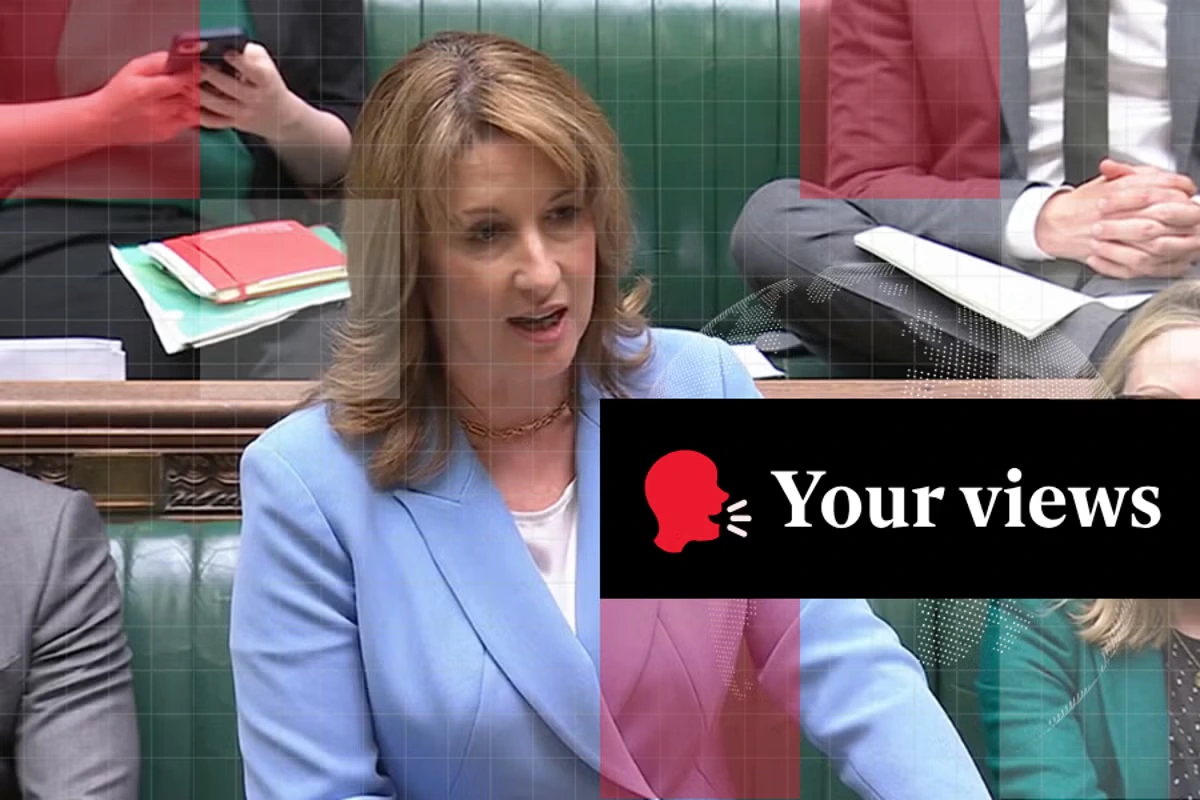
The government is betting on private investors to fill the gap in the UK’s provision of climate aid and support after last year’s sweeping cuts reduced the UK aid contribution to climate, development minister Jenny Chapman has told The Independent.
A core tenet of the landmark 2015 Paris Agreement – the climate treaty that calls for the world to limit global warming to “well below 2C” – is that rich countries must provide climate finance in order to assist developing countries that have typically contributed little towards the climate crisis, but are often suffering its biggest impacts.
For its part, the UK has historically been a leader in efforts to provide climate finance, contributing £11.6 billion from the aid budget over the five years from 2021/22 and 2025/26.
But recent weeks have seen dismay among development organisations as it has been revealed that the amount of UK aid going towards climate finance is set to fall by almost 15 per cent, to £6bn over the next three years.
However, Baroness Chapman said that the government is seeking to supplement that by leveraging much more money from private investors.
“We are absolutely aiming to continue growing climate finance year on year,” she said. “We met the £11.6bn target, and we aim to go further by leveraging additional finance, even where there is less grant-based funding within that total.”
Critics point to the fact that while renewable energy projects are increasingly viable for big investors to fund – and still crying out for investment in an African continent where 600 million people remain without electricity – efforts to adapt countries to the impact of the climate crisis will struggle to attract private capital due to the fact that they tend to be “public good” rather than profit-making projects.
The UK’s new strategy comes following years of criticism that that rich countries are not doing enough when it comes to supporting developing countries during the climate crisis.
A major climate finance target for rich countries to hit $100bn (£75bn) by 2020 was missed by three years, while an updated target to reach $300bn by 2035 has been widely criticised as far off what is required.
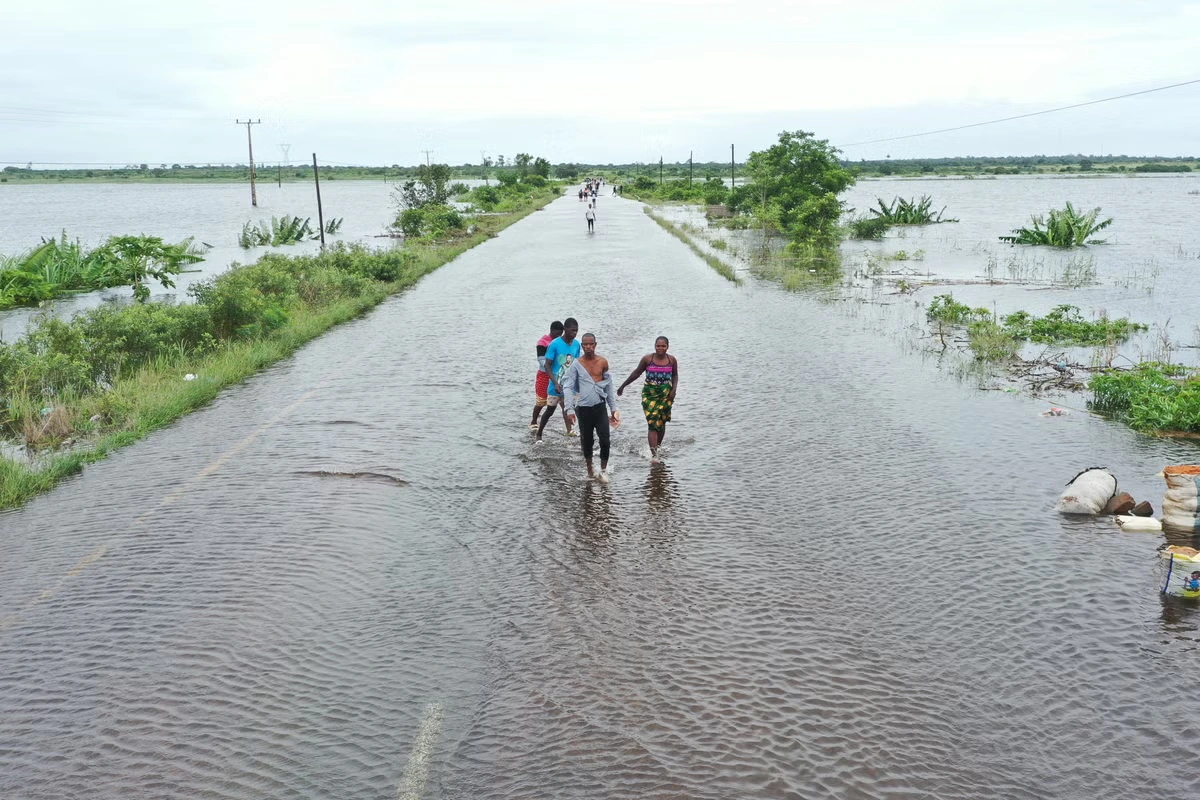
Money for adapting to climate change is seen as particularly lacking, leaving many of the world’s poorest countries unable to address the flood and drought events that they are increasingly facing.
At the heart of the new UK strategy will be an intention to use UK aid more tactfully to “de-risk and catalyse much greater [private funding] flows” than in the past, Baroness Chapman said.
The UK’s development finance institute British International Investments (BII) will play a key role in the new plan. For nearly 80 years, BII has been a core part of UK foreign assistance efforts, creating one million jobs globally and providing 26 million people in Sub-Saharan Africa with power through investments in projects that most conventional financiers would be too wary of making.
Owned by the UK government and backed by UK public finance, BII invests in projects for returns that are as low as two per cent – with the theory going that a “halo effect” around BII investments will encourage more risk-averse private financiers to then get involved.
Critics have targeted BII for a tendency to go into more “investor-friendly” deals with partners that have included luxury hotels and billionaire-owned companies, rather than focusing on the areas where people in developing countries most need investment.
However, a new strategy from BII published earlier this month suggested how the government is aiming to use its investor-centred approach. BII is aiming to leverage £15bn of new investment into developing countries over the next five years, with £8bn coming from BII itself and the rest “crowded in” from other private investors like pension funds and asset managers.
Some 40 per cent of this total is expected to qualify as climate finance, with 25 per cent of the total also being directed to the world’s least developed countries.
According to Baroness Chapman, the strategy reflects the “new UK approach to development”, where the UK is “moving from traditional aid grants to long-term partnerships that bring investment, expertise and international finance”.
The new BII strategy will help ensure that climate remains a “priority area” in the UK’s development strategy, Baroness Chapman said, along with women and girls, health, and “the sharing of expertise in areas like finance and governance”.
However, others in the development space have expressed concern that the UK’s investment-focused approach will not be able to cover the full scope of where climate finance is required, with a particular deficit expected in the money needed to adapt to the impacts of the climate crisis.
There was particular dismay when last week the UK government notified the UN's Green Climate Fund – a key funding body that low income countries depend on for grants – that it will halve its planned financial contribution for the 2024 to 2027 funding period from £1.62bn to £815 million.
“The minister talks about aiming to grow climate finance year on year, but the sad reality is that we are reducing the UK’s contribution to the UN’s largest dedicated climate fund,” International Development Committee chair Sarah Champion told The Independent.
"The government would only be able to exceed its £11.6bn [climate finance] target by including private sector investment in the total figure. This is despite evidence showing that private finance is rarely well-suited to non-revenue-generating interventions,” she continued. "With climate change impacting our lives more every day, we need the government to be leading the world on making the changes to create a liveable planet, sadly it feels like they are retreating.”
Ms Champion’s comments come as high-profile economists, including the InterAmerican Development Bank’s Avinash Persaud and the Brookings Institute’s Vera Songwe have all warned that the private sector will struggle to fund climate adaptation efforts. “You cannot charge for a seawall because everyone benefits from it; it is a classic public good… the private sector is not funding adaptation,” said Mr Persaud during a recent evidence session at the International Development Committee.
Separate research from NGO Mercy Corps has found that only three per cent of adaptation finance needs in developing countries have been met by the private sector, with even the optimistic assumptions suggesting this is unlikely to ever exceed 20 per cent.
“Cutting climate finance, and deprioritising grant finance to countries and communities on the frontline of the climate emergency, is totally the wrong approach from this government,” said Catherine Pettengell, executive director at Climate Action Network UK.
“UK climate finance should not be used to generate profits for companies, instead it must prevent those who have done least to cause the climate crisis paying the highest price with their lives, livelihoods, health, ecosystems, and futures.”
For her part, Baroness Champion told The Independent that she believed the government’s new approach to climate finance could still generate significant funding for climate adaptation – and she also defended the decision to cut funding for the Green Climate Fund.
“There are good examples of private finance being mobilised into adaptation and resilience projects, often with grant finance helping to catalyse that investment,” she said.
“We have had to make difficult decisions as we reduced our [overseas aid] budget, including reducing our contribution to the Green Climate Fund,” she continued. “However, the UK remains one of its largest contributors and we will continue to support the Fund’s leadership to maximise its impact for vulnerable countries.”
This article was produced as part of The Independent’s Rethinking Global Aid project