Reform UK’s latest plans to suspend Britain’s asylum system for five years have been branded a “dangerous dog whistle” which would leave refugees vulnerable to exploitation and abuse.
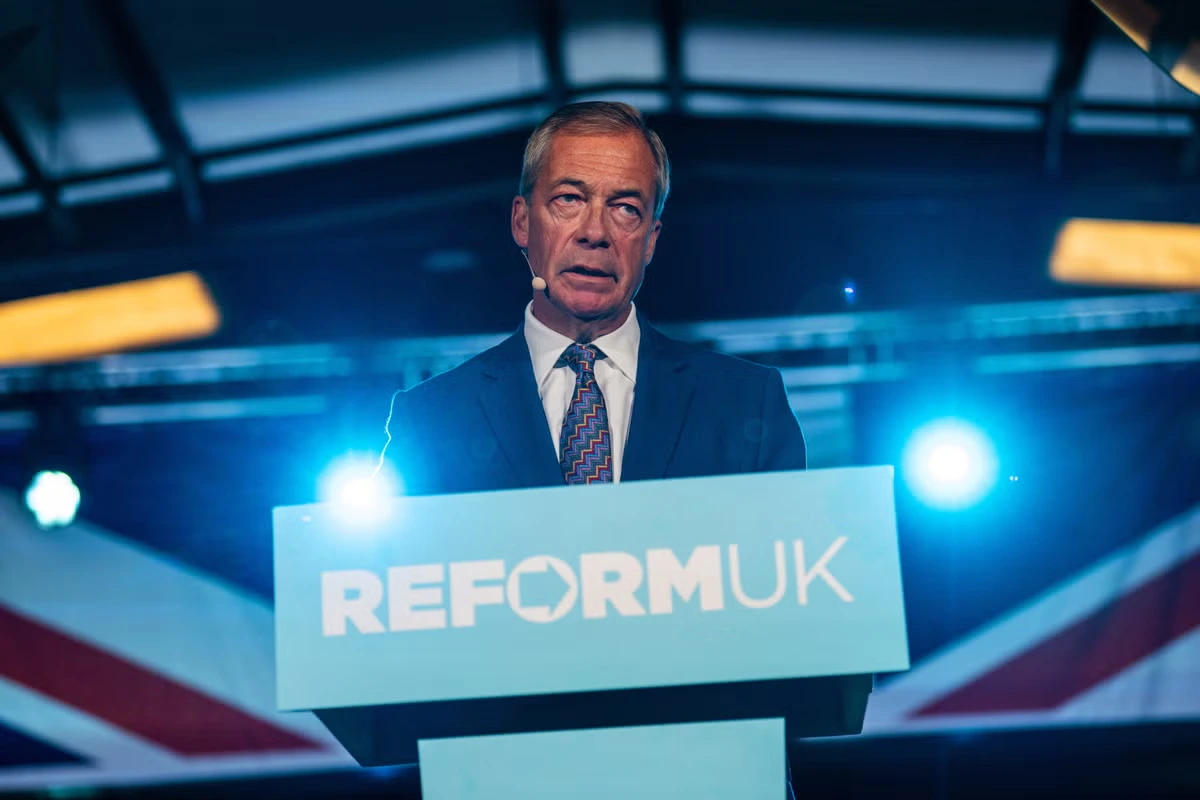
Nigel Farage announced the policy on Monday which would see all pending asylum cases rejected, with applicants then liable for deportation.
Reform would also review the status of anyone who has been granted asylum since 2024, with those coming from countries deemed safe by the home secretary losing their permission to remain in the UK.
All legal resettlement routes would also be abolished, except for those set up for Ukrainians in the wake of the full-scale Russian invasion in 2022.
The plans sparked backlash from campaigners, who have called it “profoundly un-British” and a “shambles in the making”.
Louise Calvey, executive director of Asylum Matters, said Reform UK were “recycling the same failed ideas” used by the previous Conservative government.
“This meaningless clickbait is nothing new: it’s the same lazy policy making that has already left our asylum system broken,” she said. “The last Conservative government banned asylum applications and look what it led to: a soaring asylum backlog, people trapped in limbo in crumbling converted hotels, and record-breaking irregular migration.”
Charity Women for Refugee Women described the proposal as “an unprecedented attempt to shut the door on people seeking safety”, calling it “nothing more than a headline grabbing, dangerous dog whistle”.
The charity said: “Women seeking asylum in the UK are often escaping some of the most extreme forms of persecution and gender-based violence. Turning our backs on refugee women not only undermines the UK’s responsibilities but is shameful for a country committed to tackling violence against women and girls.”
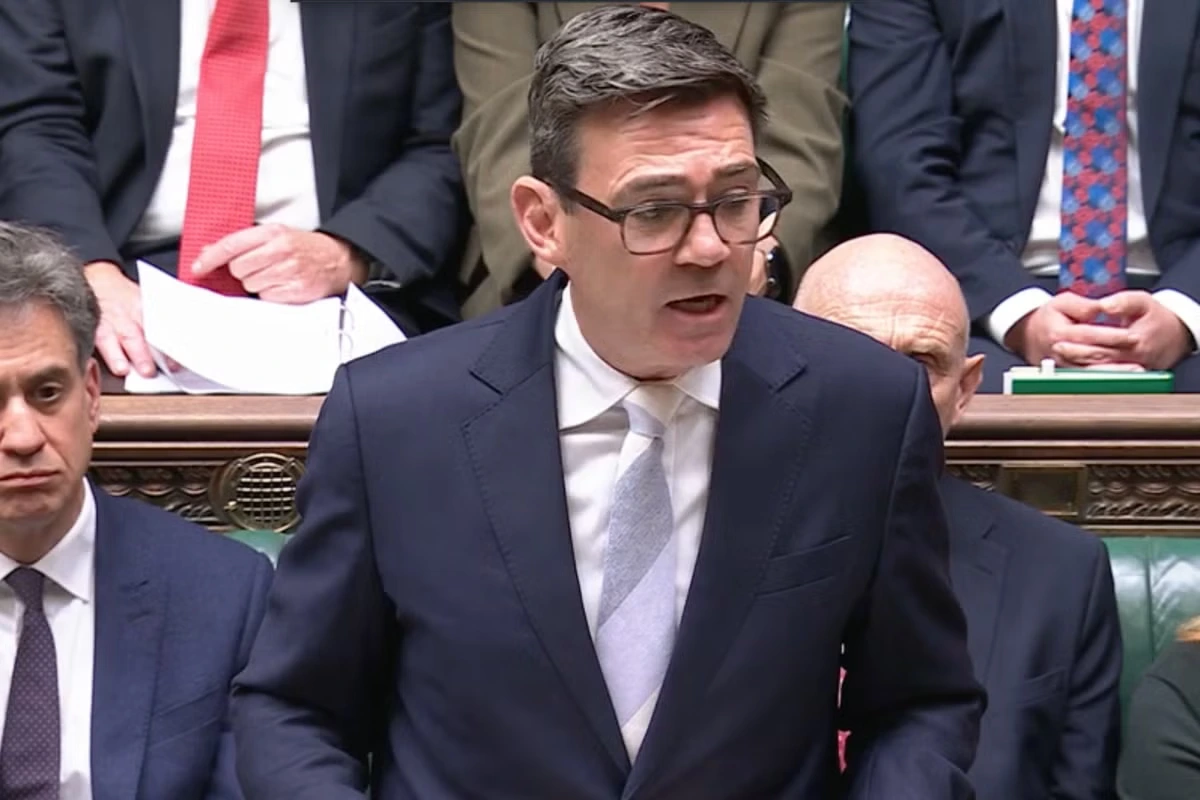
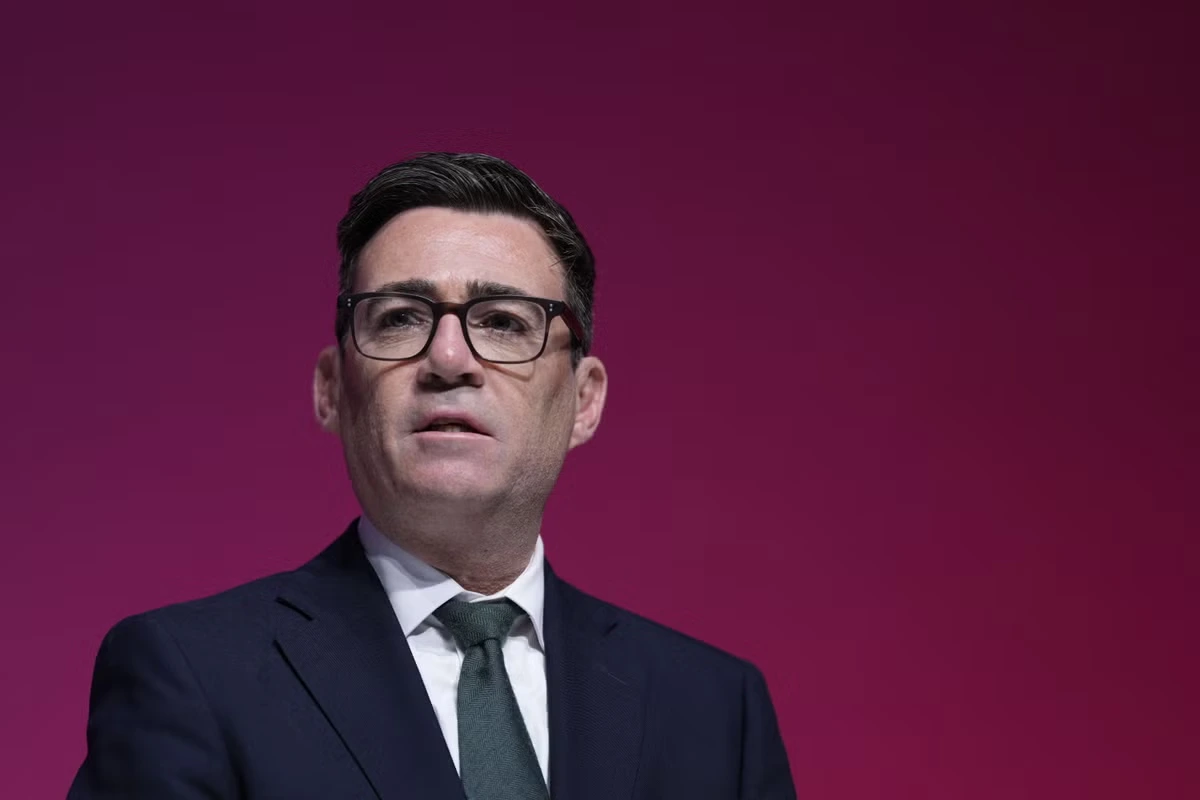
Labour called the plans “a clear sign of desperation and weakness”.
Party chairwoman Bridget Phillipson said: “Nigel Farage is casting around for more and more extreme policies as he tries to deal with scandals, police investigations and a growing challenge from Restore. This is a carbon copy of their policy.
“Running away from basic decency by entirely abandoning those escaping war and persecution might look to Reform like a way of winning a bidding war with other parties on the right, but the vast majority of British people will reject it as an assault on our common values.”
Campaigners also questioned the legality of the policy, comparing it to a proposal to “scrap the NHS so that people no longer get sick”.
Reform have proposed repealing the Human Rights Act (HRA) 1998, but this would need to go through parliament first.
MPs would need to pass an Act that repeated the HRA, so this could only happen if Reform had a majority or if their plans were backed by other parties.
Mr Farage has also proposed leaving the ECHR, something that might also need parliamentary approval. A Reform government could try to exercise executive power and simply withdraw from the ECHR, but it is likely that whether they were able to do so without approval of MPs would be challenged in the courts.
The Refugee Convention, which Reform say they want to dis-apply, is also written into elements of UK law and the immigration rules. Legal battles will likely challenge whether Reform can refuse all asylum claims using parts of UK law.
If a Reform government did manage to roll-back all this legislation, they would then face an arguably bigger problem of figuring out how to deport people back to their home country without that country's permission.
But Mr Farage said a Reform UK government would threaten foreign assets in the UK if other countries refused to accept deportees, adding: “People will accept their bad guys back.”
He said: “If that means, in the case of Pakistan, that we have to bring in visa bans, we’ll do so.
“If it means threatening Pakistani nationals’ assets in London, we will do so.
“If it means introducing flight bans, we will do so.
“And in extremis, we’d even look at tariffs.”
Nick Beales, from Refugee and Migrant Justice said, described the announcement as “yet another unworkable, illegal and irrational asylum policy”.
“Scrapping the asylum system though will not stop people needing protection,” he said.
“Deporting people to places where they face torture or death is also illegal under international law, though Farage has repeatedly made clear that if in power he would be comfortable with the UK being complicit in torture.
“This is a profoundly un-British as the UK has always taken a leading role in opposing the use of torture.”
Jon Featonby, chief policy analyst at the Refugee Council, said the “unworkable” proposals would see Britain “abandon our proud tradition of offering safety to victims of war, which our ancestors established in response to the horrors of World War Two.
“Over the last seventy five years, our asylum system has been the difference between life and death for thousands of refugees, allowing them to rebuild their lives in safety and go on to play a part in Britain,” he said.
“Closing our asylum system would cause chaos. Desperate people would still arrive on our shores, but instead of entering an orderly system, they would be driven underground and vulnerable to exploitation and abuse.”
Shadow home secretary Chris Philp said the proposals “largely copy” the Conservatives.
He said: “Banning asylum claims by illegal immigrants, abolishing the immigration tribunal and ending Labour’s resettlement routes are all existing Conservative policy.”
In a policy document on Reform’s proposals, the party also said it would significantly expand immigration checks, with officials carrying out food hygiene inspections, fire safety audits or health and safety checks also required to examine workers’ migration status.