Labour has been urged to “be bolder” on its cost of living support after chancellor Rachel Reeves unveiled a package of measures to alleviate financial pressures for families over the summer holidays.
The plans include a cutting VAT to 5 per cent on summer attractions like theme parks and soft play centres and free bus rides for under-16s in England during August.
Alongside this, the chancellor confirmed she was postponing the fuel duty increases due to take effect in September and December.
Announcing the measures, she said: “Whether it is a fun day out, a family meal or taking advantage of the thousands of amazing attractions across the UK, Great British Summer Savings will support families with the little treats in life while boosting business across the UK.
“This comes on top of support we’ve already put in place including freezing fuel duty, taking off £117 off energy bills, freezing prescriptions, fuel duty and rail fares.”
Charities and campaign groups have welcomed the plans, but warn that they do not grapple with the scale of growing prices in the UK.
Rising housing costs, food prices and a threatened spike in energy bills amid the US-Iran war all put a damper on the government’s proposals.
Dame Clare Moriarty, chief executive of Citizens Advice, said the newly-announced measures “will make a real difference for families this summer”, but added that people “aren't just worrying about August, they're already struggling now and fear things will only get worse as winter hits”.
“Today's announcement doesn't address the urgent need for a plan to tackle record energy debt, or the huge uncertainties people face with their finances,” she added.
Meanwhile, TUC general secretary, Paul Nowak said: “Any practical steps to help families with the cost-of-living crisis are a good thing”, but added that the government must “be bolder”.
“We’ve barely begun to experience the economic fallout of the Iran war – and the threat to living standards is going to grow as the war drags on.”
The chancellor’s announcement came after speculation had mounted that the Treasury was considering more radical measures to tackle the cost of living like rent controls, a cap on food prices, alongside details on planned energy debt relief.
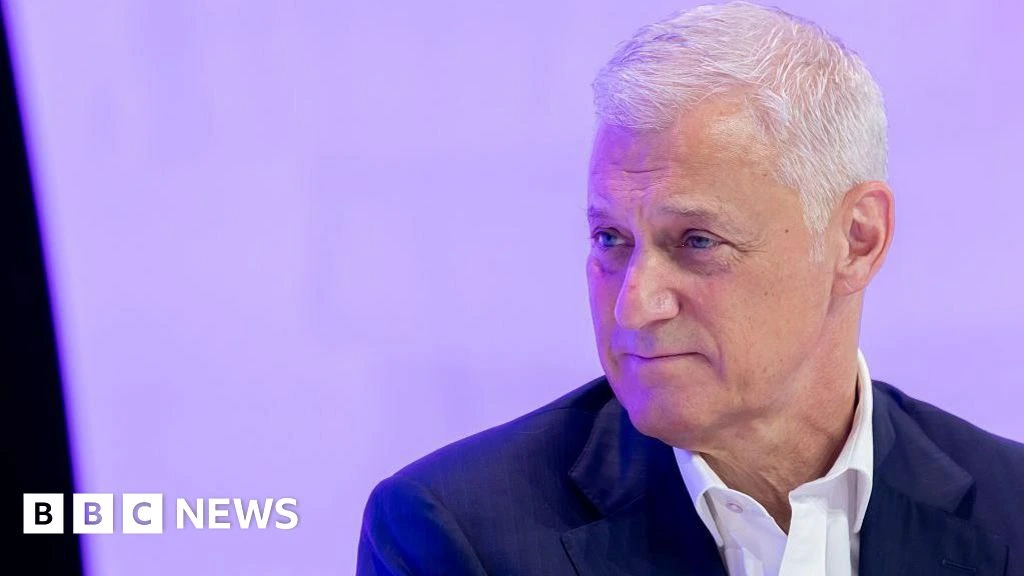
Supermarket bosses reacted furiously earlier this week to rumours of cost limits on essential foods, with M&S chief Stuart Machin calling them “preposterous”. Reports indicated that the government had urged retailers to limit costs on essentials like eggs, bread, and milk, which industry leaders and Treasury officials denied.
Speaking in parliament on Thursday, the chancellor told MPs she had instead met with supermarkets “to urge them to do all they can to keep prices low”.
Ms Reeves also announced that she would suspend imported tariffs on over 100 foods, including chocolate and biscuits, adding: “I expect supermarkets to pass these savings on in full”.
Experts have warned that the ongoing US-Iran war threatens to hit food prices in the UK due to a rise in the cost of producing synthetic fertiliser. The complex product is essential for British agriculture as it is used in some form in the vast majority of cereal vegetable and oil farming.
But this essential tool is also considered an ‘energy product’, as it requires natural gas to be produced. A great deal of this is sourced in the Middle East, with up to 30 per cent of the world’s supply usually passing through the Gulf.
There was no mention of housing costs in Ms Reeves address, disappointing those who had expected much-rumoured rent controls to make an appearance. Several think tanks and campaign groups had urged the councillor to include rent freezes as part of her package, pointing to continued above-inflation rent rises.
Last week, the New Economics Foundation (NEF) called for an ‘emergency brake’ on rents, which would ensure they would not rise by more than the lowest of inflation or 2 per cent – saving renters thousands of pounds.
The think tank told The Independent that this would allow “time for new home construction to improve affordability, and to build a longer-term new system for fair rents.”
Following speculation that the government was considering rent control measures, housing minister Matthew Pennycook said earlier this month: “We are not doing this. It’s not a credible or serious policy proposition.”
On energy costs, the chancellor did not announce any new measures to tackle the looming Ofgem energy price cap increase in July, instead pointing to action taken by the government to reduce energy costs by an average £117 by scrapping two energy efficiency schemes.
This was thought to be a key factor in headline inflation dropping to 2.8 per cent in the year to April, down from 3.3. However, forecasters are now anticipating that the price cap could rise by around £200 from July – virtually cancelling out the government’s intervention.
The NEF says there should be an ‘essential energy guarantee’ which would see every household guaranteed a very cheap portion of energy by the government to meet their daily essential needs. This kind of universal policy has been shut down by Ms Reeves in the past, saying in April that any future energy support will be means-tested based on household income.
The government is expected to announce more details on the planned energy debt relief scheme soon, but hopes that this would launch in early 2026 have not been met. The scheme is expected to clear £500 million of energy debt for the poorest households, with fears total arrears could reach £7bn by the end of the year.